4 Best Aquacal Pool Heaters 2026 in the United States

Related Products
Up to 15% off
Our technology thoroughly searches through the online shopping world, reviewing hundreds of sites. We then process and analyze this information, updating in real-time to bring you the latest top-rated products. This way, you always get the best and most current options available.

Our Top Picks
Winner
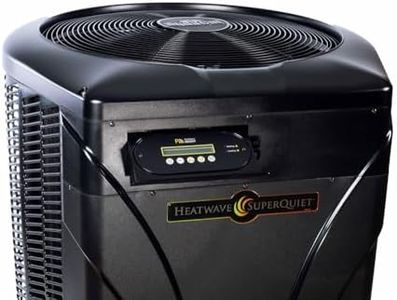
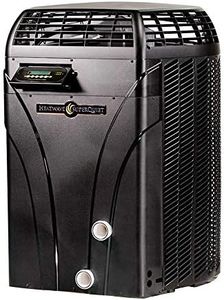
AquaCal HeatWave SuperQuiet SQ200R 138,000 BTU Heat Pump, 1 Phase 60 HZ, 230V, R410A, SQ200ARDSBPA
The AquaCal HeatWave SuperQuiet SQ200R is a powerful pool heat pump offering 138,000 BTUs, which is strong enough to heat larger pools effectively. It uses a high-quality ThermoLink Titanium Heat Exchanger, known for good energy efficiency and long-lasting durability, helping keep running costs reasonable. This unit is designed to be very quiet thanks to its scroll compressor and smart controls, so it won’t disturb your outdoor relaxation.
The heater is built to handle tough weather with a corrosion-proof, maintenance-free cabinet, making it a solid choice if your pool is in a harsh environment. It runs on a single-phase 230V power source and supports water flow rates up to 70 gallons per minute, which fits most residential pool setups. However, it is fairly heavy at over 300 pounds and requires enough space for installation, so planning ahead for location and plumbing connections is important.
This model is versatile and suitable for a variety of climates, although like many heat pumps, its efficiency can drop in very cold weather. If you want a dependable, quiet, and energy-conscious heater and have the space and proper electrical setup, this AquaCal model is a strong option for keeping your pool comfortable through much of the swimming season.
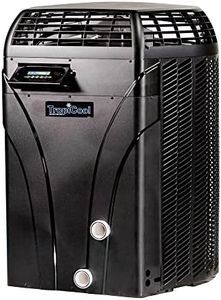
AquaCal TropiCool TC1500 Pool Cooler Chiller, TC1500ACDSBPC
The AquaCal Tropicool TC1500 Pool Cooler Chiller is a specialized pool cooling unit designed to reduce the temperature of your pool, making it more comfortable during hot weather. This 2023 model is equipped to cool a 20,000-gallon pool by up to 12°F, which is a significant improvement over its predecessors, TC500 and TC1000. This makes it especially suitable for larger pools in hotter climates where substantial cooling is necessary. The type of heater is a chiller, which is crucial for users specifically looking to cool their pool rather than heat it.
Installation and maintenance should be considered, as the unit will require proper setup and periodic maintenance to ensure optimal performance. It's essential to check the space requirements to ensure it fits within your available area by your pool. The AquaCal Tropicool TC1500 might not be suitable for users looking for heating options, as it focuses solely on cooling. However, for those needing an effective pool chiller, it offers a robust solution with a good cooling capacity.
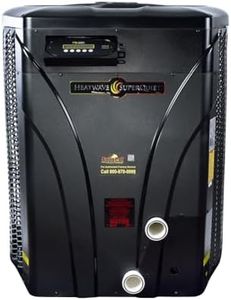
AquaCal HeatWave SuperQuiet SQ160R 128,000 BTU Heat Pump, 1 Phase 60 HZ, 230V, R410A, SQ160ARDSBPA
The AquaCal HeatWave SuperQuiet SQ160R is a solid choice for residential pool owners looking to maintain warm water comfortably and efficiently. With a heating capacity of 128,000 BTUs, it offers strong performance to heat medium to larger pools effectively, making it suitable even for colder climates or nighttime swimming. It runs on a standard 230V single-phase power source, which is common for many homes, so installation is straightforward for typical residential setups. One of its standout features is the SuperQuiet technology, which keeps noise levels low—a big plus if your pool is close to living spaces. The digital control panel is user-friendly, allowing easy temperature adjustments without hassle.
Built with durability in mind, its corrosion-resistant stainless steel cabinet and dual water connections promise long-lasting use with less maintenance. On the downside, the heater is relatively heavy at 304 pounds and has a sizable footprint (34 x 34 x 45 inches), so you’ll need enough space around your pool for installation. Also, while it is energy efficient thanks to the R410A refrigerant and heat pump design, electricity costs should be considered depending on your local rates.
This model is well suited for homeowners who want reliable, quiet pool heating and are prepared for a modest installation space and weight. It is less suited for very small pools or users with limited outdoor space.